





Affordable Water Heater Installation in Flemington, NJ
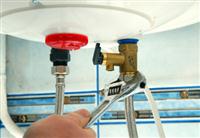 When you choose Anytime Services for your water heater installation in Flemington, NJ, you’ll get the expert advice you need to choose the best appliance for your home and keep it functioning well. We want our customers to be satisfied with
their product, so we dedicate all of our resources to the success of your installation.
When you choose Anytime Services for your water heater installation in Flemington, NJ, you’ll get the expert advice you need to choose the best appliance for your home and keep it functioning well. We want our customers to be satisfied with
their product, so we dedicate all of our resources to the success of your installation.
Our experts are attentive to every detail. With years of experience in the water heater service field, our professionals have what it takes to see your project through to the end. What’s more, because of our affordable pricing, you’ll get more bang for your buck with Anytime Services water heater installation in Flemington, NJ.
Available Products and Services
Our office is proud to provide the following products and services:
- Instant Hot Water Heaters
- Tankless Gas Water Heaters
- Electric Water Heaters
- Electric Tankless Water Heaters
- Gas Hot Water Heaters
If your current water heater is more than 8 years old or has begun to leak and experience other functionality issues, it may be time to consider a replacement. Here at Anytime Services, our professionals are available to share their expertise and determine whether a replacement is in order.
Contact Our Office Today!
Whether you’re doing a home remodel or simply need a new and improved water heater, give our office a call. With over 20 years of experience in the field, there’s no better place to get your water heater installation in Flemington, NJ.
Simply give us a call at 908-788-9669, or complete our online request form. With the help of our team, you’ll obtain the products and services you need to save money and keep your home comfortable.
Asbury, NJ | Flemington, NJ | Stockton, NJ | Frenchtown, NJ | Lambertville, NJ | Clinton, NJ | Milford, NJ | Lebanon, NJ | Whitehouse Station, NJ | Glen Gardner, NJ | Phillipsburg, NJ | Bloomsbury, NJ | Greenwich, NJ | Lopatcong, NJ | Pohatcong, NJ | Alpha, NJ | Three Bridges, NJ | Neshanic Station, NJ | Tewksbury Township, NJ | Califon, NJ | High Bridge, NJ | Pittstown, NJ | Warren County, NJ | Hunterdon County, NJ
