






New Jersey Home Remodeling Services
Anytime Remodeling Services is a Hunterdon County Design Build Remodeling Contractor offering the finest in complete home remodeling, design and repair. Whether you need a new kitchen or bathroom, a room addition, a finished basement, we are here for all your needs and to make life around your New Jersey home more enjoyable.
As anyone who has any experience working with New Jersey remodeling contractors will tell you, finding the RIGHT contractor for your project entails much more than just finding the lowest price. Less tangible items like your ability to communicate and feel comfortable working with your contractor will inevitably prove to be much more important in determining your eventual satisfaction with the job – particularly if it’s a large project.
Our Services Include
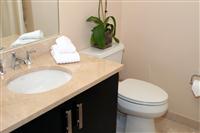
Bathroom Remodeling
There are so many options, so many products, and so many pitfalls in every New Jersey bathroom remodeling project. We have done it all...
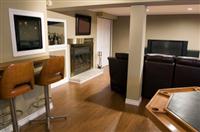
Basement Remodeling
At Anytime Services, we can help you decide how your new basement can best meet your new needs. Whether for a growing family, who is...
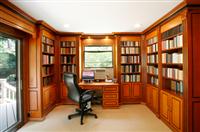
Room Additions
The benefits of dealing with an experienced New Jersey room addition contractor that is also a home builder are clear: the experience...
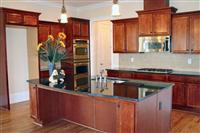
Kitchen Remodeling
In New Jersey, kitchen remodeling can easily have the greatest return in terms of resale value. In the Northeast in particular the average kitchen...
Design/Build Services
The Design/Build Remodeling concept is much different than ordinary remodeling in New Jersey. It brings designers and remodeling...
